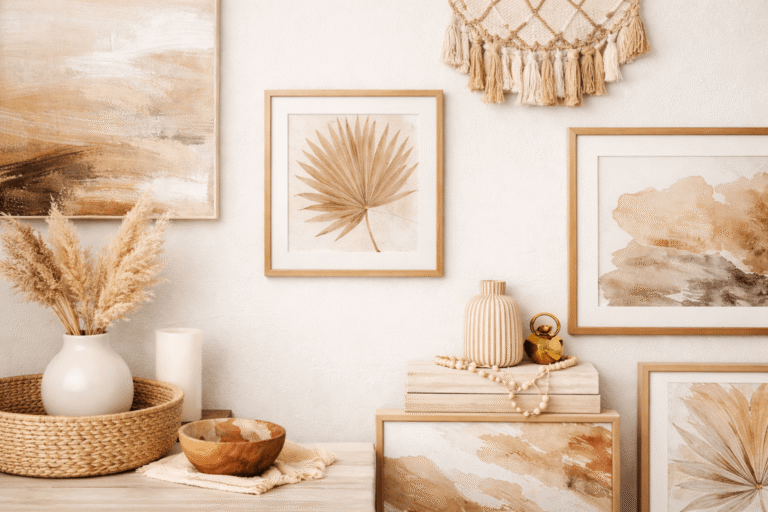
There’s something quietly powerful about walking into a room where everything just feels right. The furniture flows, the colors make sense, and the walls don’t feel empty or overdone. More often than not, the difference comes down to one detail people struggle with the most: wall art.
Choosing wall art sounds simple, but it’s where many homes lose their cohesion. You might love a piece on its own, but once it’s on your wall, it feels disconnected. Too small, too loud, too random. The good news is, this isn’t about having an “eye for design.” It’s about understanding a few simple principles that instantly bring harmony to your space.
Let’s walk through how to choose wall art that doesn’t just fill space—but completes your home.
Start With Your Home’s Personality, Not Trends
Before you even think about buying art, take a moment to look at your space as a whole. Your home already has a personality. The mistake most people make is trying to force trendy art into a space that doesn’t support it.
If your home leans modern with clean lines and neutral tones, abstract or minimal prints will feel natural. If it’s more cozy and layered, with textures and warm colors, then soft landscapes, vintage prints, or textured canvas pieces will feel more at home.
The goal isn’t to match perfectly—it’s to belong naturally.
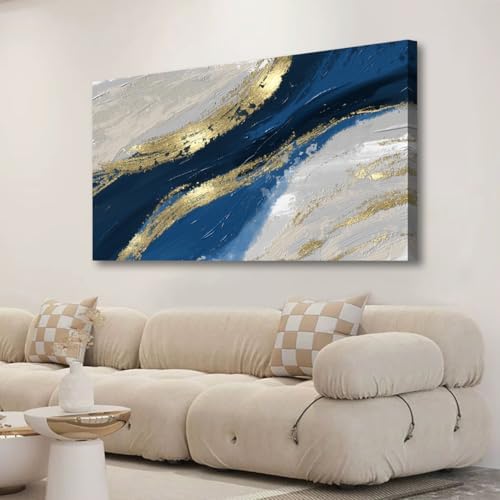
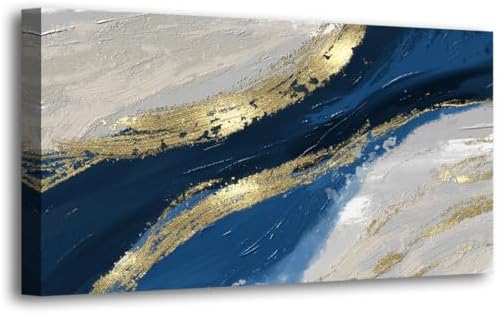
Simple abstract canvas sets work beautifully in modern spaces—look for neutral-toned pieces that blend rather than dominate.
Think in Terms of Mood, Not Just Color
A lot of advice will tell you to match wall art with your color scheme. That’s helpful, but it’s not the full picture. What really makes a space feel cohesive is mood.
A calm, relaxing room needs soft, airy artwork. A bold, energetic space can handle contrast and dramatic pieces. If your room feels peaceful, but your wall art is loud and chaotic, something will always feel slightly off—even if the colors match perfectly.
When choosing art, ask yourself: Does this feel like the room I want to be in?

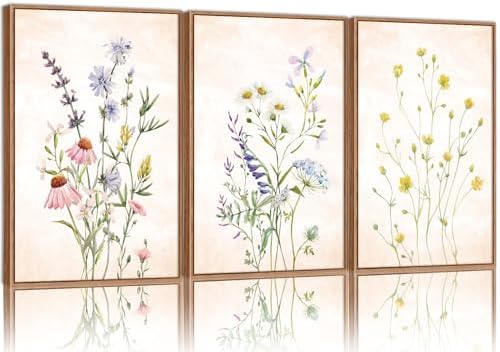
Soft watercolor prints or muted botanical sets are perfect for creating that calm, restful feeling in a bedroom or lounge area.
Size Is Where Most People Go Wrong
Even beautiful art can look out of place if the size is wrong. One small frame floating on a large wall often makes a room feel unfinished, while oversized art in a tight space can feel overwhelming.
As a general feel (not a strict rule), your wall art should take up a noticeable portion of the wall without crowding it. Above a sofa, for example, art should feel connected to the furniture—not like it’s drifting above it.
If you’re unsure, larger is usually better than too small. Or you can group multiple pieces to create a gallery effect that fills the space intentionally.


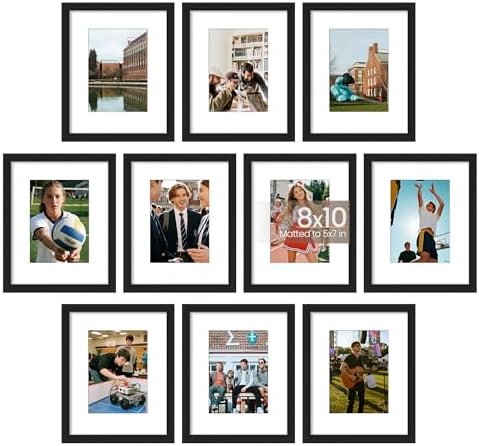
Gallery wall frame sets are an easy way to get the sizing right without overthinking it, especially if you’re decorating a larger wall.
Let Your Wall Art Tell a Story
The most beautiful homes don’t just look styled—they feel personal. Your wall art is one of the easiest ways to tell that story.
This doesn’t mean every piece needs deep meaning, but it should feel like you. Maybe it’s travel-inspired prints, soft nature scenes, typography that reflects your mindset, or even black-and-white photography.
When your art reflects your lifestyle or taste, your home instantly feels more intentional and less like a showroom.
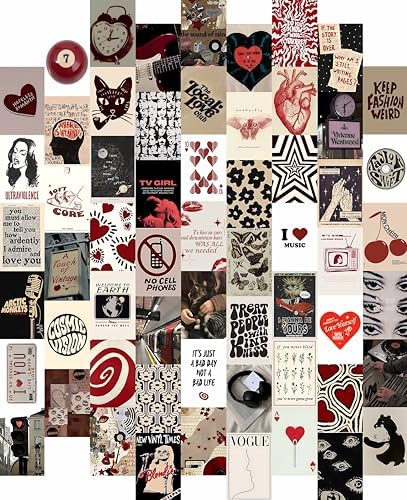

Personalized-style prints or minimalist quote art can add character without overwhelming your space.
Mix Textures for a More Elevated Look
Not all wall art has to be framed prints. In fact, mixing textures is what gives a home that designer feel.
Canvas, wood panels, metal accents, or even textile wall hangings can add depth and interest. When everything is flat and framed the same way, a room can feel a bit one-dimensional.
By layering different textures, your walls start to feel curated instead of decorated.

Textured canvas pieces or wooden wall panels are great for adding warmth, especially in neutral or minimalist home
Placement Matters More Than You Think
Even the right art can look wrong if it’s placed incorrectly. One of the easiest fixes is simply adjusting height.
A common mistake is hanging art too high. Ideally, artwork should sit at eye level or feel visually connected to the furniture below it. This small adjustment can instantly make your space feel more balanced and intentional.
Spacing also matters. If you’re creating a gallery wall, keep the gaps consistent so it feels cohesive rather than scattered.



Using matching frame sets can make spacing and alignment much easier, especially if you’re creating a gallery-style wall.
Don’t Rush the Process
The most beautiful homes are rarely decorated all at once. If something doesn’t feel right, it’s okay to wait.
Wall art isn’t just decoration—it’s what ties everything together. Taking a little extra time to choose pieces that truly fit your space will always look better than filling your walls quickly.

- A beautiful combination of Elegance and Bohemian Style in a Tapestry. This is a handcrafted Macrame …
- Mkono Macrame Wall Hanging is made of cotton cord. Sturdy and premium quality. Beautiful wall art cr…
- Its symmetrical design will fit in any interior. This wall hanging makes a perfect statement piece f…
Your home evolves, and your walls should too.
Final Thoughts
Choosing wall art that matches your home style isn’t about following strict rules or copying trends. It’s about creating a space that feels balanced, personal, and comfortable to live in.
When your wall art aligns with your home’s personality, mood, and scale, everything starts to click. The room feels finished—not because it’s full, but because it makes sense.
And that’s the real goal of good design.