
Living in a small space doesn’t usually feel like a design problem at first — it feels like a storage problem. One day everything fits, and the next, countertops disappear under daily essentials, closets feel impossible to manage, and even relaxing at home starts to feel overwhelming. What many people don’t realize is that small spaces rarely need more room. They need smarter systems.
Good organization isn’t about hiding things away or buying dozens of containers. It’s about creating flow — making everyday items easy to access while keeping visual calm intact. When done well, organization changes how a home feels emotionally. The space suddenly feels lighter, more intentional, and surprisingly bigger.
Here are small-space organization ideas that genuinely transform how your home works and feels.
Start by Clearing Visual Clutter, Not Just Physical Clutter
One of the biggest mistakes people make when organizing small spaces is focusing only on storage capacity. The real issue is often visual noise. Too many items visible at once make even a clean room feel crowded.
Creating visual calm starts with grouping similar items together and replacing mismatched packaging with cohesive containers. Matching storage instantly makes a room feel intentional rather than crowded. When surfaces look simplified, the entire space appears larger without moving a single wall.
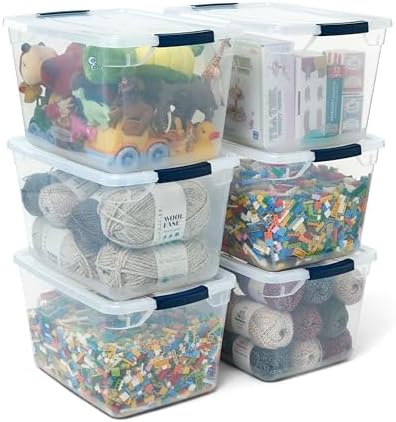

The goal isn’t to hide your life — it’s to remove the chaos that distracts your eyes every time you walk into the room.
Use Vertical Space Like a Designer Would
Most homes have far more usable space than we realize — it’s just higher up. Walls, cabinet doors, and unused vertical areas are often completely ignored, even though they hold the key to small-space living.
Floating shelves, wall-mounted organizers, and over-the-door storage instantly expand functionality without taking up floor space. When items move upward instead of outward, rooms begin to breathe again. Kitchens gain prep space, bathrooms feel less crowded, and bedrooms regain calm.

• Rustic wood floating shelves for stylish wall storage.
• Perfect for books, photos, and décor display.
• Space-saving wall mount design for any room.
Designers rely heavily on vertical storage because it balances practicality with aesthetics, making organization feel like part of the decor instead of an afterthought.
Make Drawers Work Harder Than Cabinets
Drawers are often underused simply because they become messy too quickly. Without structure, they turn into catch-all spaces that waste valuable storage potential. Adding simple dividers transforms drawers from clutter zones into highly efficient storage systems.
When every item has a designated section, daily routines become smoother. Finding utensils, makeup, office supplies, or accessories no longer requires digging through piles. This small shift reduces daily frustration more than most people expect.

• 25-piece set with multiple sizes for custom drawer organization.
• Clear, durable trays for makeup, kitchen, office, or bathroom use.
• Non-slip, stackable design keeps items neat and easy to find.
Well-organized drawers quietly improve everyday life because they remove small moments of stress that add up throughout the day.
Choose Furniture That Stores More Than One Thing
In small homes, every piece of furniture should serve more than one purpose. Storage ottomans, lift-top coffee tables, and beds with built-in compartments create hidden storage without adding visual weight to the room.
This approach works because it blends storage into existing furniture instead of introducing more containers. The room stays clean and open while still holding everything you need.

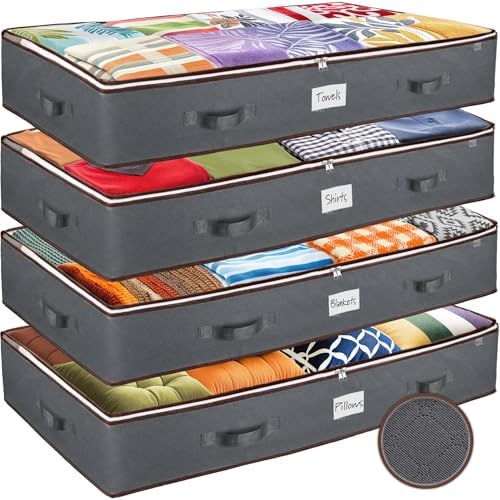

Multipurpose furniture is often the turning point where a small space finally starts working instead of fighting against you.
Create “Drop Zones” to Stop Everyday Mess
Clutter usually isn’t caused by owning too much — it’s caused by items having no landing place. Keys, bags, mail, and daily essentials accumulate because there’s no designated spot for them.
Creating a small drop zone near the entryway or main living area changes daily habits almost instantly. A simple tray, wall hook system, or compact organizer gives frequently used items a permanent home, preventing clutter before it begins.


When everyday items know where they belong, tidying up stops feeling like a chore.
Think in Zones Instead of Rooms
Small spaces work best when organized by activity rather than by room labels. A corner of a living room can become a workspace. A kitchen shelf can double as a coffee station. A bedroom wall can function as a mini dressing area.
Zoning creates structure without adding walls. It also prevents items from spreading throughout the home because each activity has a defined space.

• Stackable design maximizes closet and storage space.
• Foldable bins for easy setup and compact storage.
• Durable, waterproof baskets ideal for clothes and home organization.
This mindset shift makes even studio apartments feel thoughtfully designed rather than cramped.
Organization Should Feel Supportive, Not Strict
The most successful small-space organization systems are the ones that feel easy to maintain. If a system requires constant effort, it won’t last. The goal is to make everyday habits simpler, not more complicated.
When storage solutions match how you naturally live — easy access, clear visibility, and minimal effort — organization becomes automatic. Over time, the space begins to support your routines instead of creating friction.
Small changes truly do change everything. Not because your home becomes larger, but because it finally works with you.
