
Sometimes a room doesn’t actually need more space — it just needs the feeling of space. One of the oldest and most effective design tricks professionals use to achieve this is surprisingly simple: mirrors.
Decorative mirrors do far more than reflect your reflection. When understood and placed thoughtfully, they can brighten dark corners, expand visual depth, and make even small rooms feel open and airy. Whether you live in a compact apartment or simply want your home to feel lighter and more spacious, mirrors can quietly transform how a room is experienced.
The beauty of decorating with mirrors is that they work with almost every style, from modern minimalism to cozy farmhouse interiors.
Let Natural Light Do the Work
One of the easiest ways to make a room feel larger is by increasing how light moves through it. Mirrors act like silent amplifiers for natural light, bouncing brightness across walls and into darker areas.
Placing a mirror opposite a window instantly doubles the impact of daylight. Instead of light stopping at one wall, it travels deeper into the room, creating a brighter and more open atmosphere. Even smaller mirrors placed near windows can make a noticeable difference.
Rooms that once felt enclosed suddenly feel fresh and welcoming — all without changing furniture or paint colors.
If you’re trying to maximize natural light, simple wall mirrors with clean frames work beautifully near windows and bright spaces.


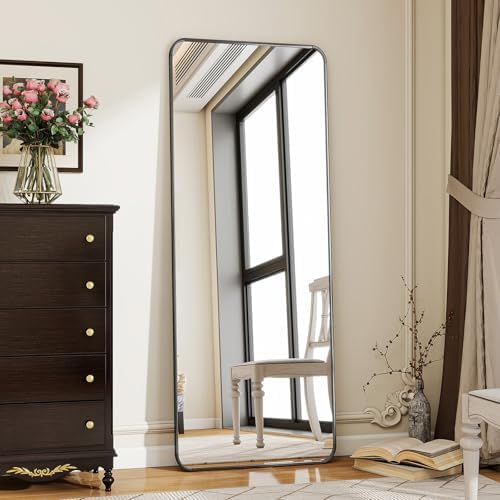
Use Large Mirrors as Statement Pieces
A common mistake people make is choosing mirrors that are too small. Larger mirrors create stronger visual expansion because they reflect more of the surrounding space.
A tall leaning mirror against a wall can make ceilings appear higher, while a wide mirror above a console table stretches the visual width of a room. These pieces act almost like architectural elements, giving structure and depth without adding physical bulk.
In smaller living rooms or bedrooms, a single oversized mirror often works better than several small decorations competing for attention.
Oversized mirrors are one of the easiest ways to visually expand a space without adding furniture.
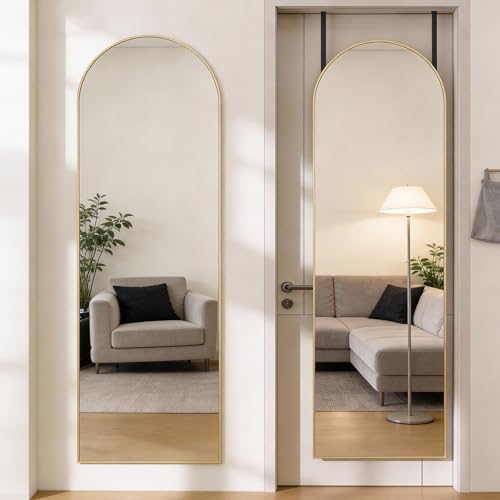
• Elegant arched full-length mirror with a sleek gold aluminum alloy frame
• Can be wall-mounted, hung over the door, or used in entryways and bedrooms
• Shatter-resistant tempered glass for safe, clear, distortion-free reflection
• Lightweight, durable, and easy to install with included hardware
• Modern design that adds style while making spaces feel larger and brighter
Round Mirrors Soften Tight Spaces
Not every room benefits from sharp lines and corners. Round mirrors introduce softness, which helps smaller areas feel more relaxed and balanced.
Entryways, bathrooms, and compact bedrooms especially benefit from circular mirrors because they break up rigid shapes created by furniture and walls. The curved silhouette draws the eye naturally, making the space feel less crowded.
A simple round mirror above a dresser or console table can instantly become a calm focal point without overwhelming the room.
Round mirrors are especially popular for entryways and bathrooms because they soften sharp lines and create balance.

• Modern round wall mirror with a sleek brushed aluminum alloy frame
• High-definition glass provides clear, distortion-free reflection
• Durable, waterproof, and corrosion-resistant design
• Easy wall installation with included mounting hardware
• Perfect for bathrooms, entryways, bedrooms, or living room decor
Create a Mirror Gallery Wall
If you enjoy a more decorative approach, mixing mirrors into a gallery wall adds both personality and function. Instead of using only artwork, combining framed mirrors with prints reflects light while still showcasing personal style.
Different frame finishes — wood, gold, black metal, or vintage-inspired designs — add texture and character. This approach works beautifully in hallways or living rooms where you want visual interest without making the space feel heavy.
Because mirrors reflect surrounding decor, the wall changes subtly throughout the day as lighting shifts.
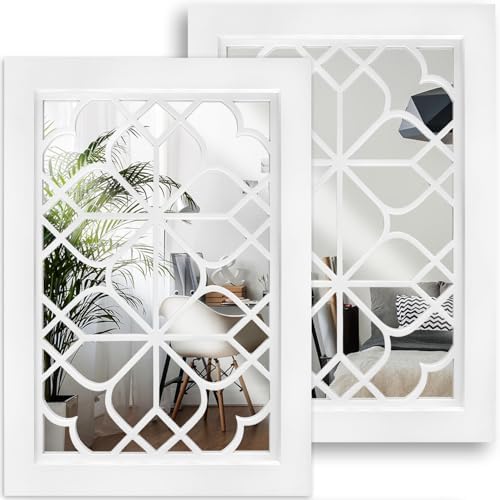
Mirror sets make creating a gallery wall much easier since the sizes and styles already complement each other.


Place Mirrors Behind Decor for Depth
A lesser-known designer trick is layering mirrors behind decorative objects. Placing a mirror behind a lamp, plant, or candle arrangement creates the illusion of depth and doubles the visual impact of styling.
This works especially well on console tables, shelves, or dining room buffets. The reflection makes arrangements appear fuller while maintaining a clean and uncluttered look.
It’s a small adjustment that gives decor a more intentional, designer-inspired feel.
Choose Frames That Match Your Style
The frame of a mirror plays just as important a role as its size or placement. A sleek black frame complements modern interiors, while wood or distressed finishes create warmth in cozy or farmhouse-style homes.
Gold or brass frames add elegance and help reflect warm tones throughout a room, making spaces feel brighter and more inviting. When selecting mirrors, think of them as decor pieces first and functional items second.
The right frame helps the mirror blend naturally into your overall design rather than feeling like an afterthought.
Choosing the right frame can completely change the mood of a room, whether you prefer modern black finishes or warm wood tones.

Mirrors in Unexpected Places
Mirrors aren’t limited to walls. Leaning mirrors, mirrored trays, or smaller accent mirrors placed on shelves can subtly enhance brightness without dominating the room.
In narrow hallways or small apartments, even a strategically placed mirror near a doorway can make movement feel more open and comfortable. These small placements often have a bigger effect than expected.
A Simple Change with a Big Impact
Decorating with mirrors proves that transforming a space doesn’t always require major changes. By reflecting light, expanding visual depth, and adding decorative interest, mirrors quietly reshape how a room feels.
The best part is that mirrors work instantly. There’s no renovation, no heavy rearranging — just thoughtful placement and a design choice that enhances what already exists.
Sometimes, making a home feel bigger isn’t about adding more space at all. It’s about learning how to use light, reflection, and balance to create a home that feels open, calm, and beautifully inviting.
